You describe it once
Explain where the mold is, what caused it—such as a leak, humidity, or basement dampness—and what areas are affected. Then you're connected with a contractor who takes it from there.
Serving Baltimore, Maryland & surrounding areas
Calls answered around the clock
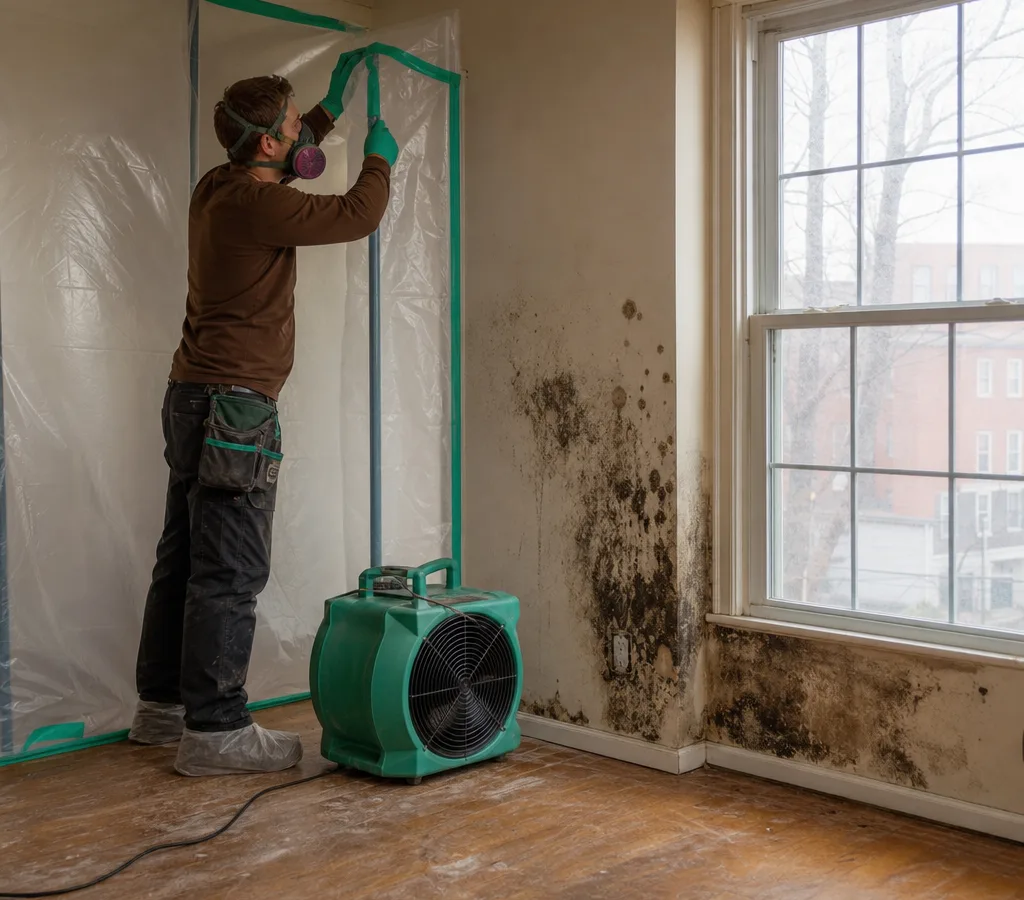
Mold remediation in Baltimore, Maryland
Describe the moisture and mold issue once and get connected with a local contractor who can inspect, contain, remove, and guide the rebuild steps.
CALL NOW: 443-551-0852Control moisture and spread
If you're searching for mold remediation baltimore md, you're usually dealing with two problems at once: the mold you can see (or smell) and the moisture that keeps feeding it. Proper remediation is a controlled process that stops spread, removes contaminated material, and sets the space up for safe repairs.
In many Baltimore rowhomes and older buildings, moisture shows up in predictable places: basements with stone or brick foundation walls, crawlspaces with damp soil, and exterior walls where bulk water gets in around windows, flashing, or aging masonry. Condensation can also be a driver, especially in tightly closed homes with undersized bath fans or ductwork leaks that send humid air into wall cavities.
A mold remediation contractor typically starts with a site check to answer three questions:
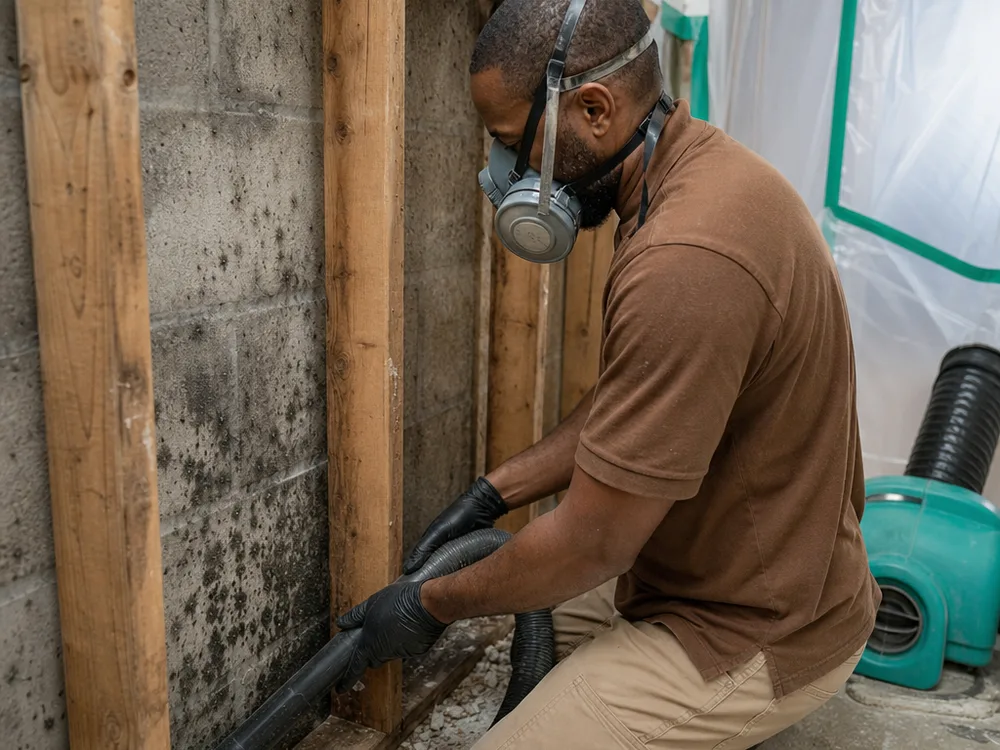
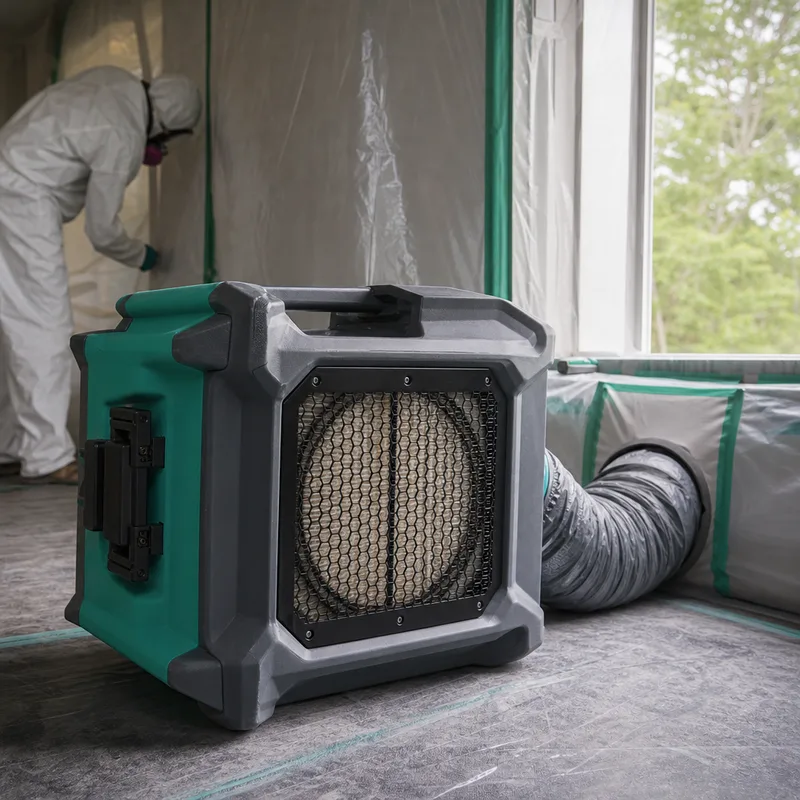
From there, the job generally includes containment with poly sheeting and sealed doorways, negative pressure using HEPA-filtered air scrubbers, removal of damaged porous materials, and detailed cleaning of remaining surfaces using HEPA vacuuming and damp wiping. Controlled drying may also use dehumidifiers and air movers sized for the space.
Baltimore Mold Removal connects you by phone with a local contractor who handles remediation work in Baltimore and nearby areas. You explain what you're seeing once, then speak directly with the contractor about next steps.
Some homeowners first notice the musty odor after a storm, plumbing leak, or basement seepage event. If standing water is involved, the contractor may recommend water removal and drying first, then remediation once conditions are stable. Visible surface growth can also lead to a broader remediation plan covering containment, affected materials, and rebuilding decisions.
A simpler referral path
One conversation gets the essential details to a local contractor who can discuss containment, cleanup, and restoration scope with you.
Explain where the mold is, what caused it—such as a leak, humidity, or basement dampness—and what areas are affected. Then you're connected with a contractor who takes it from there.
Mold problems often involve older materials, tight rowhome layouts, and shared walls. Getting routed to someone familiar with Baltimore housing stock helps the conversation start in the right place.
A real remediation plan is built around keeping spores out of clean areas, using poly barriers, negative pressure, and HEPA filtration where needed.
Remediation and restoration are related but not the same. The contractor can explain what gets removed, what can be cleaned, and what needs repair afterward.
You speak with the contractor directly, ask questions, and decide whether the scope fits your situation before any work moves forward.
From inspection to restoration
You share the location, recent leaks, and whether anyone is sensitive to dust or odors. The contractor checks materials, moisture conditions, and likely sources.
The moisture driver may be a roof or plumbing leak, foundation seepage, poor ventilation, or a humid crawlspace. The contractor explains what must change.
Work areas are isolated with poly sheeting and sealed openings. HEPA-filtered negative air commonly keeps airflow moving into the work zone.
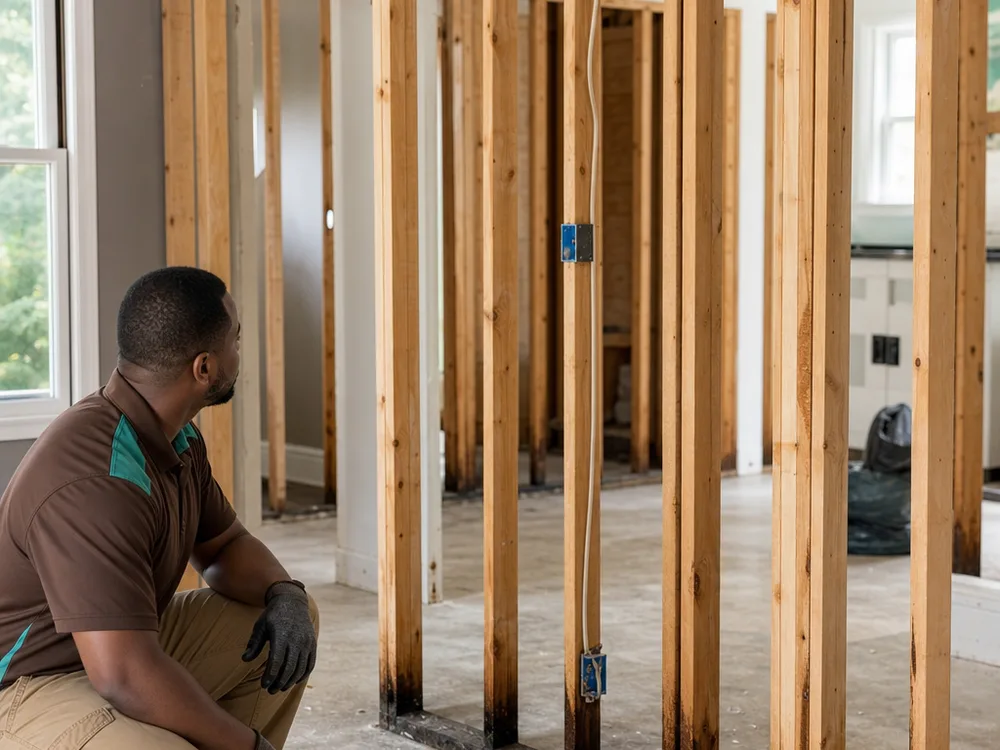
Porous materials that cannot be reliably cleaned are removed and bagged. Remaining framing and hard surfaces receive HEPA vacuuming and damp wiping.
Drying and humidity control are used as needed, followed by guidance for replacing drywall, insulation, paint, or trim so the space can be used again.
If you've got visible growth, a persistent musty smell, or materials that stayed wet after a leak, a short phone call is the fastest way to get matched with a local contractor who can look at your specific conditions.
Work and material detail
Common questions
Mold remediation is a controlled cleanup that focuses on containment, material removal when needed, and fixing the moisture conditions that caused growth. Cleaning a visible patch may not address spores in porous materials, hidden wall cavities, or airflow through HVAC returns that can spread contamination.
The most helpful details are where the mold is, what material it's on, what caused the moisture, and how long the area stayed wet. Mention recent plumbing or roof events, whether you've run dehumidifiers, and whether the area connects to an HVAC return or supply.
Removal depends on the material and how far growth has penetrated. Drywall, insulation, and carpet pad are common removal items because they can hold contamination inside the material. Solid wood framing and masonry can often be cleaned, but the contractor decides based on what they find once surfaces are opened.
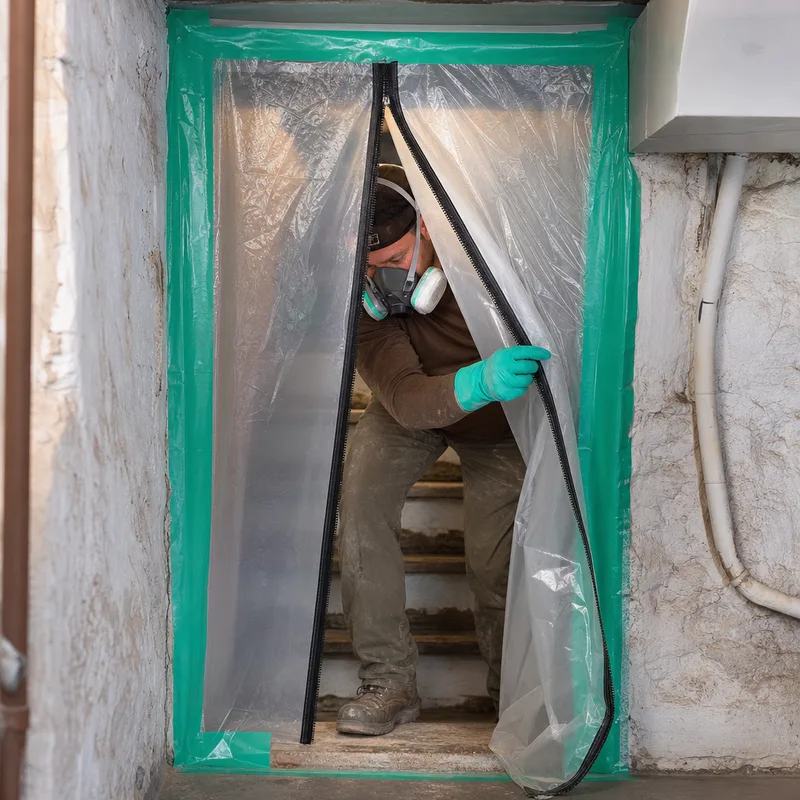
Containment usually includes sealing doorways with poly sheeting, using a zipper entry, and running HEPA-filtered negative air so air moves into the work area instead of out. Contractors also use HEPA vacuums and careful bagging practices when removing debris.
Whether you can remain onsite depends on the work area, how air is managed, and what spaces you need to use day to day. The contractor can explain how they isolate the work zone, what rooms are affected, and what access restrictions are likely during removal and drying.
Remediation focuses on stopping spread and removing contamination, while repairs and rebuild restore finished surfaces. Sometimes the same contractor handles both; other times remediation is completed first and restoration follows. Ask what parts of the project they handle directly and what would be coordinated next.
A musty odor can come from hidden growth behind finished walls, damp insulation, or persistent humidity against foundation walls. In Baltimore basements, seepage after heavy rain and condensation on cool masonry are also possible. A contractor will look for moisture patterns and recommend the next investigative step.
You call, describe what's going on, and the details are used to connect you with a local contractor who handles mold remediation work. You then talk directly with that contractor about inspection, scope, and scheduling, and you decide whether to move forward.
One call starts the connection
Pick up the phone and describe the affected area, what got wet, and what you've noticed. You'll be connected with a local contractor who can walk you through containment, source control, cleanup, and the restoration steps that usually follow.