A walk-through that follows the moisture
A good test starts with questions about leaks, humidity, and recent repairs, then a room-by-room look for water staining, swelling, bubbling paint, and other clues.
Serving Baltimore, Maryland & surrounding areas
Calls answered around the clock
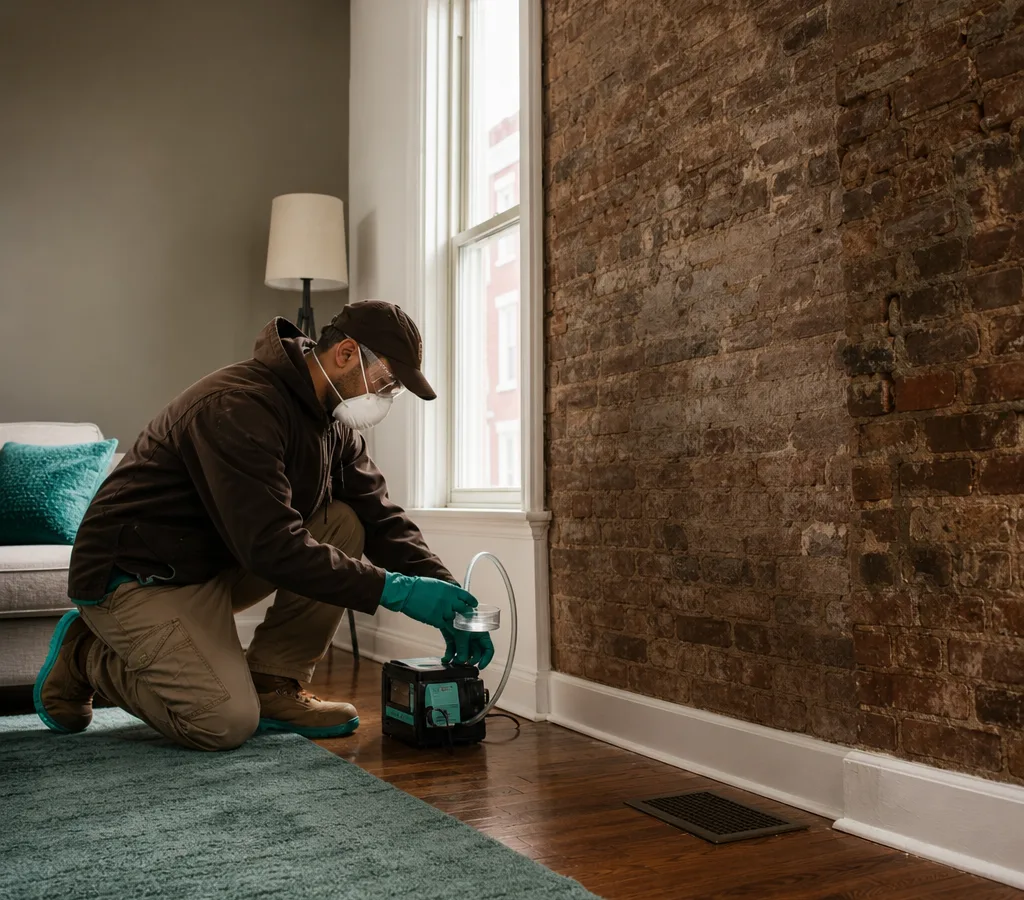
Mold testing in Baltimore, Maryland
Describe what you're noticing once and get connected with a local contractor who handles mold testing, sampling, and clear lab reporting for next steps.
CALL NOW: 443-551-0852Measured information for next steps
When you're seeing staining, smelling a musty odor, or dealing with repeated moisture, mold testing is about replacing guesses with measured information. For mold testing Baltimore homeowners typically want two things: a clear picture of what areas are likely affected and lab results that help a contractor plan the right next step, whether that is targeted cleanup, moisture repairs, or confirming that a prior issue is actually resolved.
A contractor may use a combination of visual assessment, moisture checks, and sampling. Sampling is not always required, and it is not always the first move. In many homes, the most useful first step is tracing where water is coming from and what building materials stayed wet long enough for growth to start. In Baltimore's older housing stock, especially attached brick rowhomes, moisture can show up as condensation on cooler surfaces, damp basement walls, or leaks that travel along framing before they show up as a ceiling spot.
Common reasons people call for mold testing include:
What a contractor is typically trying to answer is practical: Where is the moisture? What materials were affected? Does sampling support what's visible? And what should be addressed first so the problem does not come back?
If you're also deciding between testing and direct cleanup, it helps to know that testing does not remove mold; it documents conditions and helps guide the scope. When cleanup is the next step, you can discuss what remediation would involve after the test results.
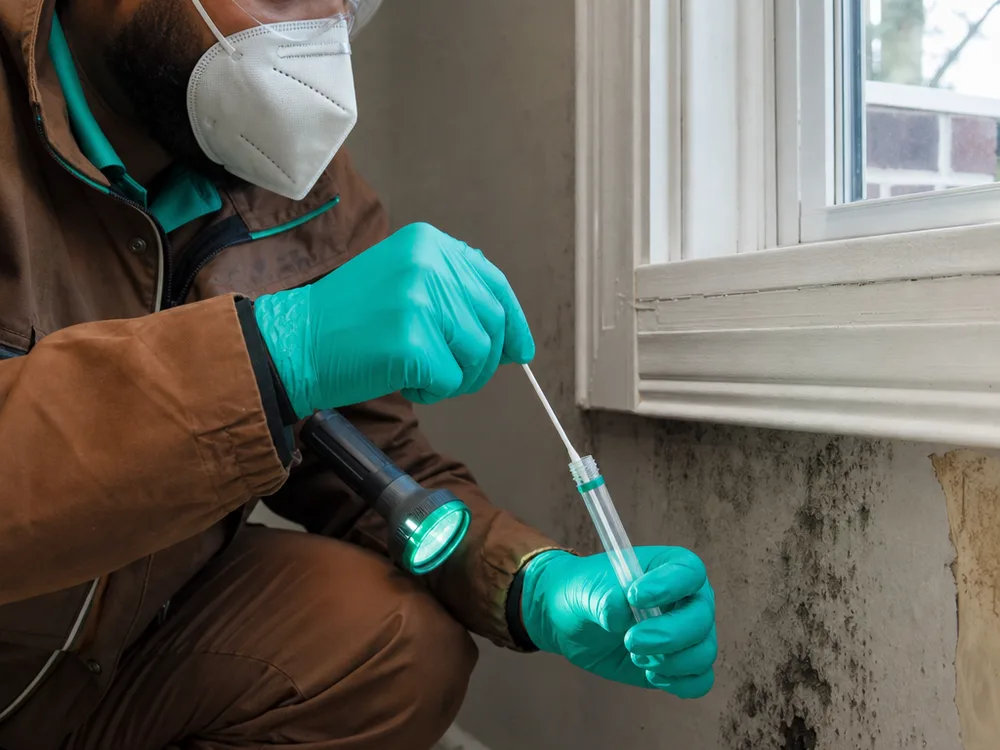
Inspection, sampling, and reporting
The useful approach follows the moisture, chooses sampling for a specific question, and connects the lab findings to practical decisions.
A good test starts with questions about leaks, humidity, and recent repairs, then a room-by-room look for water staining, swelling, bubbling paint, and other clues.
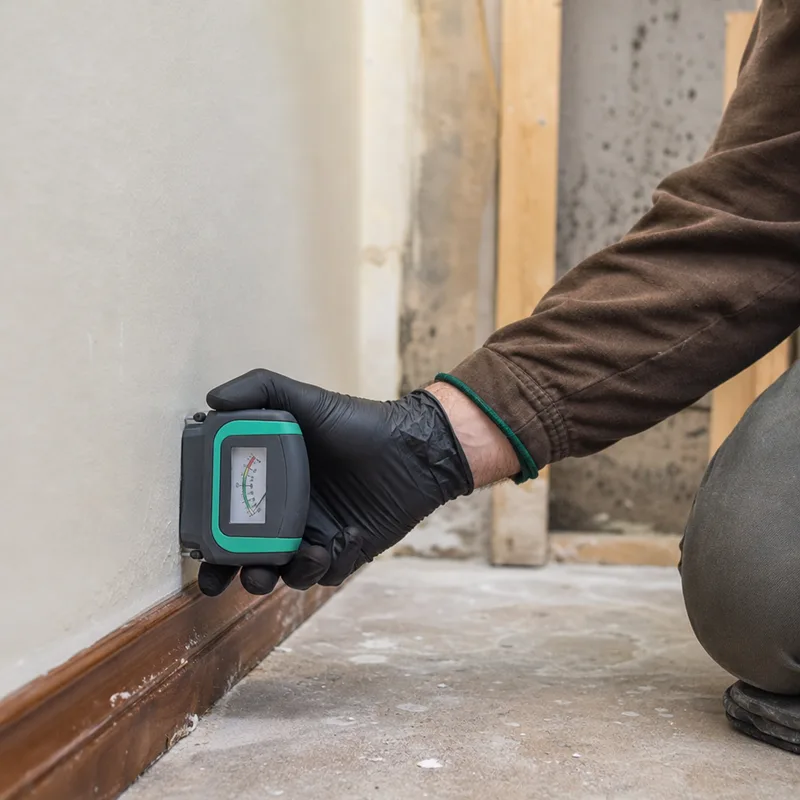
Contractors often use moisture meters on drywall, wood trim, and subflooring to find damp areas that do not look obvious from the surface.
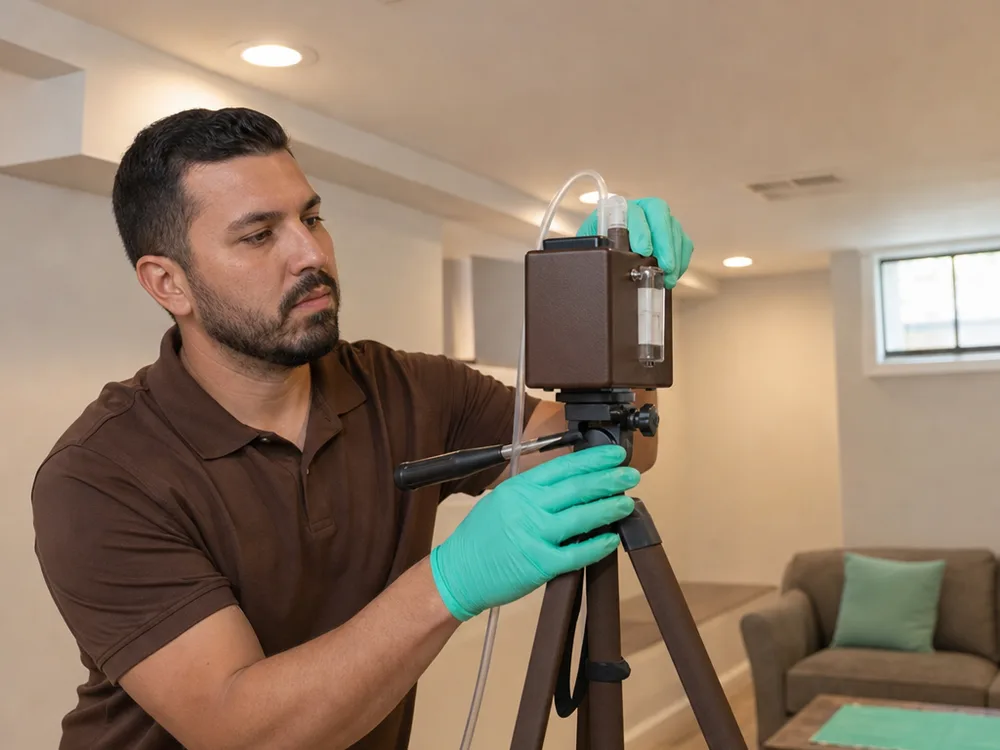
Air sampling can help compare an area of concern to a reference area. Surface sampling can help document what is on a material. Dust sampling may be discussed for longer-term indicators.
Results typically list spore types and counts for each sample along with the sampling locations, so you can discuss what the numbers mean for your home.
The contractor can explain whether the priority is fixing a moisture source, opening a cavity to confirm hidden growth, targeted removal, or retesting after repairs.
From concern to clear next steps
Tell us where the concern is, what you've noticed, and whether anyone in the home has sensitivities.
You'll be connected with an independent contractor serving Baltimore who can talk through sampling options and what information they need before they come out.
They may start with moisture checks and a visual assessment, then decide whether air, surface, or other sampling fits the situation.
Once results are available, you can discuss what they indicate, what areas are most likely impacted, and what work, if any, makes sense next.
If you're trying to figure out whether a smell, stain, or past leak is a mold issue, describe the situation once and get connected with a local contractor who can handle the testing and explain the results.
Work and sampling detail
Common questions
Testing makes sense when the source or extent is unclear, when you need documentation, or when you want to confirm conditions before or after work. If growth is obvious and the moisture source is known, the contractor may recommend prioritizing moisture control and cleanup rather than spending time on extra sampling.
Air samples measure what is airborne in a specific location during the sampling period, while surface samples document what is on a material at a specific spot. A contractor chooses based on your question, such as comparing rooms, checking a suspect patch, or documenting what was found during an inspection.
Have a short timeline of what happened, where you notice odor or staining, and whether any areas were recently opened or repaired. It also helps to mention if the home is a brick rowhouse, a detached home, or a multi-unit building, because access and likely pathways can differ.
Mold testing is usually non-destructive and does not typically require you to leave. The contractor can tell you what to expect for your situation, especially if they plan to open a small inspection area or if someone in the home has sensitivities.
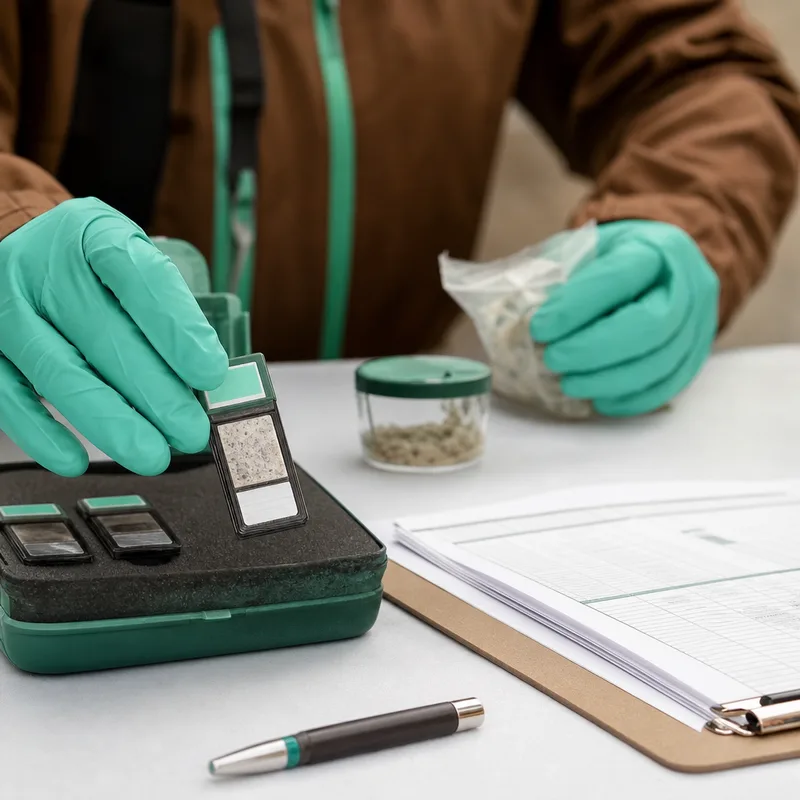
They typically use clean gloves, sealed media, careful labeling, and a consistent process for moving from one area to another. Ask the contractor how they label samples, whether they take a reference sample, and how they document the sampling locations in the report.
Testing can suggest a hidden issue, but it does not automatically pinpoint an exact cavity. Contractors often combine moisture readings, inspection of likely pathways, and selective openings, when appropriate, to confirm what's behind finishes.
A lab report is one input, not a standalone verdict. The contractor who reviews the results with you should relate them to what's visible, moisture conditions, and building materials so you can decide whether the next step is moisture repair, targeted removal, containment and cleanup, or retesting after changes.
No. Baltimore Mold Removal connects you by phone with an independent local contractor who provides mold testing services, answers your questions, and gives you their recommendations directly.
One call starts the connection
Talk through what you're seeing and smelling once, and we'll connect you with a local contractor who can handle mold testing and walk you through the lab results and next steps.